As an Amazon Associate, I earn from qualifying purchases – at no extra cost to you. I only recommend products I personally use, trust, or believe add value.
If you’ve ever felt hungry an hour after eating or noticed you’re sore longer than usual after a workout, your body might be trying to tell you something.
It probably wants more protein.
Protein isn’t just for gym rats.
It’s the foundation of muscle, hair, hormones, and even mood.
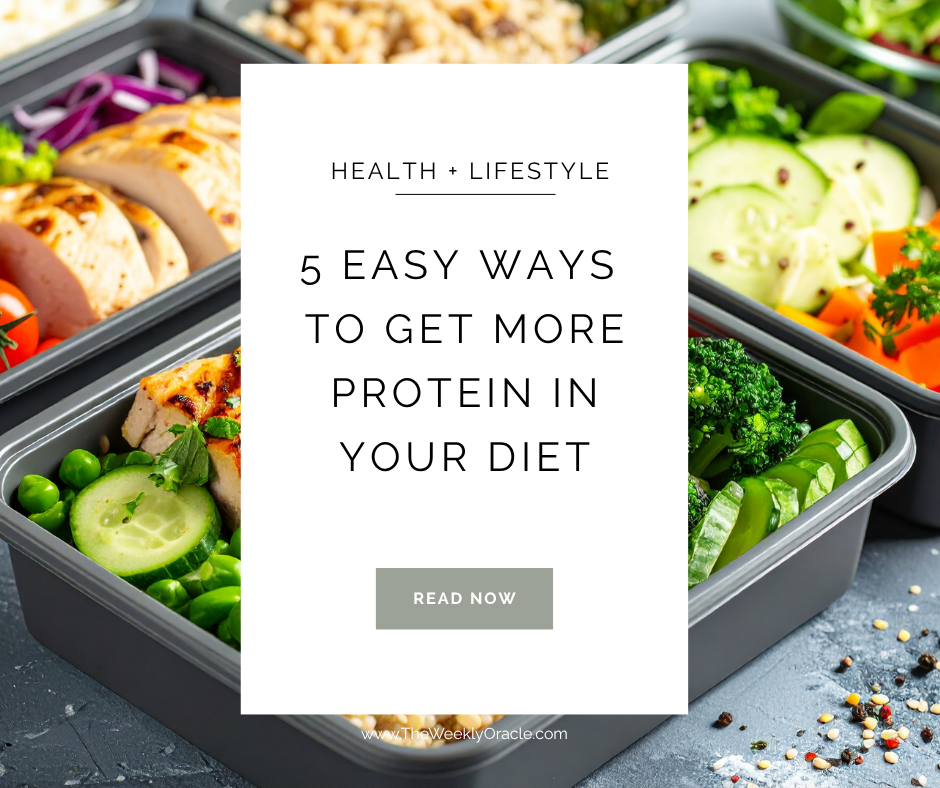
Here’s how to know if you’re getting enough, plus five easy ways to fix it if you’re not:
1. Your Hunger and Cravings Are Under Control
When you eat enough protein, you stay fuller longer. Protein slows digestion and keeps blood sugar steady, so you’re less likely to raid your snack drawer when that 4 p.m. slump hits.
When you skimp on protein, your body goes hunting for fast energy.
Usually in the form of carbs and sugar.
Try pairing protein with carbs instead of eating carbs alone.
For example: toast with eggs, an apple with nut butter, or a protein bar.
2. You Recover Faster After Workouts
Sore for days after leg day? You might need more protein.
Protein repairs the tiny muscle tears created during exercise, helping you bounce back stronger. Without enough, recovery drags and your workouts start to feel like punishment.
If you’re active, or simply want to stay strong as you age, aim for some protein within an hour of moving your body. Greek yogurt, cottage cheese, or a small shake all do the trick.
3. Your Hair and Nails Are Healthy
Your hair and nails are made mostly of a protein called keratin. When you’re low on protein, they’re often the first to show it — brittle nails, split ends, or thinning hair.
Protein also carries nutrients like iron, vitamin A, and vitamin D that support growth and shine.
4. You Have Steady Energy and Focus
Protein provides amino acids that fuel your brain chemicals — the ones that regulate mood, motivation, and focus. Too little protein and your energy crashes, your thinking fogs, and emotional eating sneaks in.
People who eat more protein (especially from both plant and animal sources) often notice sharper thinking and fewer mid-afternoon slumps.
5. You Rarely Get Sick (or Heal Quickly)
Protein is the unsung hero of your immune system. It helps build the antibodies and white blood cells that fight infection and speed healing.
If you’ve been catching every cold or notice that cuts take longer to heal, you may not be giving your body enough raw materials to rebuild.
5 Ways to Eat More Protein (Without Overthinking It)
1. Front-Load Your Day
Most people don’t eat enough protein until dinner — but your body benefits more when it’s spread throughout the day.
Start breakfast with eggs, Greek yogurt, a protein smoothie, high-protein pancakes, or protein coffee.
2. Snack Smart
Skip the chips and grab something that actually fuels you.
Try cheese sticks, hard-boiled eggs, air fryer roasted chickpeas, or pre-portioned packs of nuts.
3. Make Lunch Count
Lunch is often where protein disappears, especially if you’re busy.
Think in 20-to-30-gram portions.
Grilled chicken, cottage cheese, lentil soup, or a turkey sandwich on high-protein bread.
Pack them in meal-prep containers, bento lunchboxes.
4. Find Other Sources
Not all protein comes from meat. Quinoa, oats, beans, and even certain breads pack a surprising punch.
Use wide-mouth jars for easy overnight oats, or heating up quinoa or beans.
5. Use Protein Powder (Strategically)
Protein powders are fine when life gets chaotic. They blend into smoothies, oatmeal, coffee, or even pancake batter.
The Bottom Line is this…
You don’t have to count every gram or overhaul your meals overnight.
Start small.
Add protein to breakfast.
Upgrade your snacks.
Pay attention to how your body responds.
When you’re eating enough protein, you’ll notice it.
Steadier energy.
Fewer cravings.
Faster recovery.
Stronger hair and nails.
And a healthier immune system.
Your body’s telling you what it needs.
You just have to listen, and feed it accordingly.
If you want to learn how to eat, move, and live smarter without obsessing, make sure you’re subscribed to the newsletter!
(This is NOT medical advice. Talk to your doctor before starting anything new.)




 The Weekly Oracle